Time Decay (Theta): Why Your Option Loses Value Every Single Day
What is Theta Decay?
Theta decay is how an option’s value drops a little every day as expiration gets closer. It tells you how much premium you lose each day, which—let’s be honest—is pretty important if you’re trading options.
How Theta Follows Time Decay
Theta gives you a dollar amount showing how much an option’s premium shrinks each day.
Theta decay doesn’t move at a steady pace. When expiration is far away, options lose value slowly. But in the last 30 days? Decay speeds up a lot.
Theta vs. Other Greeks
Theta’s all about time, not price moves or volatility changes.
Delta measures how much an option’s price changes if the stock moves a buck.
Gamma shows how delta shifts as the stock moves, while vega’s about volatility sensitivity.
Here’s the kicker: delta, gamma, and vega can help you, but theta always works against buyers. Time only ticks forward, so theta is relentless.
Theta and Option Premium
An option’s premium has two parts: intrinsic value and time value. Theta only eats away at the time value.
Intrinsic value is what you’d make if you exercised right now. Time value is just hope—future profit potential.
If an option has no intrinsic value, it’s all time value. That means it’s super vulnerable to theta decay.
What Speeds Up or Slows Down Theta Decay?
Several things decide how fast theta eats away at your option:
Time to expiration is the big one. With months left, decay is slow. In the last few weeks, it’s much more.
Volatility matters too. Higher implied volatility can slow theta because it boosts time value. Lower volatility speeds up the decay.
Distance from strike price is huge. At-the-money options decay fastest. Deep ITM or far OTM options decay slower.
Interest rates and dividends can tweak theta, but the most important are time and volatility.
How Theta Decay Impacts Options Trading
Theta decay hits every contract a bit differently, depending on the trade and the option’s details. How fast it bites depends on the strike’s closeness to the stock and time left.
How Long and Short Positions Feel Theta
Long option positions always bleed value from theta. If you buy calls or puts, you’re fighting time every single day.
Buying calls and puts get negative theta. Option premium drops daily, even if the stock sits still. Buy a call for $200 and it’s $190 the next day, just from time decay.
Sellers, on the other hand, smile as theta works for them. They collect premium and profit as options lose value.
Selling calls and puts get positive theta. If options expire worthless, sellers keep all the premium. They profit from time passing, while buyers lose.
So, buyers need the stock to move a lot to beat theta. Sellers can win just from waiting.
Moneyness and Theta Decay (ITM, ATM, OTM)
At-the-money options lose value to theta the fastest.
Their strikes are right near the current stock price, so they lose the most per day.
Their value is all about the chance of a move. As expiration nears, that time value vanishes.
Out-of-the-money options have less time value, so they decay slower.
An OTM call at $50 loses less per day than an ATM call at $300.
In-the-money options don’t suffer as much from theta since they’ve got real, intrinsic value already.
Intrinsic value is just profit if you exercised now. If a call has a $100 strike and the stock’s at $120, there’s $20 intrinsic value. That sticks around unless the stock moves.
Only the time premium part of ITM options gets chewed up by theta. The intrinsic part holds value.
Theta Decay and Time Left
Decay isn’t linear—it curves. An option with 90 days left might lose $10 per day, but with 10 days left, it could drop $50 per day.
This happens because every day becomes more valuable as time runs out. Each day is a bigger chunk of what’s left.
Short-term options lose time value way faster than long-term ones. A 30-day contract decays much quicker than a 180-day one.
Weekends still count. Options lose value over weekends, even though markets are closed.
The last week before expiration is the most influential for theta decay. Most traders steer clear of long positions during this period—unless they’re expecting a big move.
Real-Life Example of Theta Decay
Let’s say you buy an ATM call on XYZ stock for $500 with 30 days left. Theta is -$15, so you’re losing $15 a day to time decay.
Day 1: Option is $500
Day 2: Now $485 (down $15)
Day 3: Drops to $470 (another $15 gone)
If XYZ’s price doesn’t budge, you’ll lose $15 a day. After a week, you’re down to $395—just from time passing.
As expiration gets closer, theta speeds up. By day 25, you might be losing $30 per day instead of $15.
The stock has to move a lot to beat theta. If XYZ needs to jump $100 for you to profit, theta makes that target harder to hit every day.
If you’d sold that call, you’d collect $15 per day as long as nothing else changes. Not bad if you’re on the right side of the trade.
Theta Decay Strategies and Managing Risk
Theta decay’s a double-edged sword. Sellers can make steady money from time decay, but buyers need sharp timing and good hedges or they’re toast.
Option Selling Strategies That Love Theta
Sellers collect premium upfront and hope time decay does the rest. Credit spreads are a go-to for capturing theta while keeping risk in check.
Call credit spreads mean selling a lower-strike call and buying a higher-strike call. You pocket the net premium and cheer as both lose value.
Put credit spreads work the same way, but with puts. Sell a higher-strike put, buy a lower-strike put—risk is defined, theta is your friend.
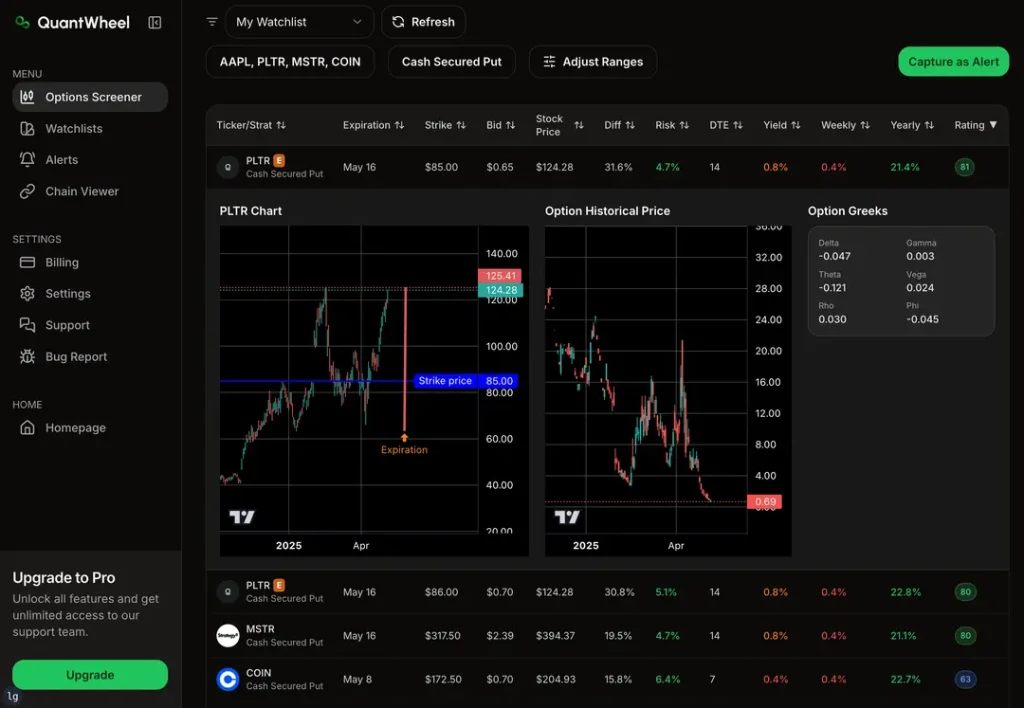
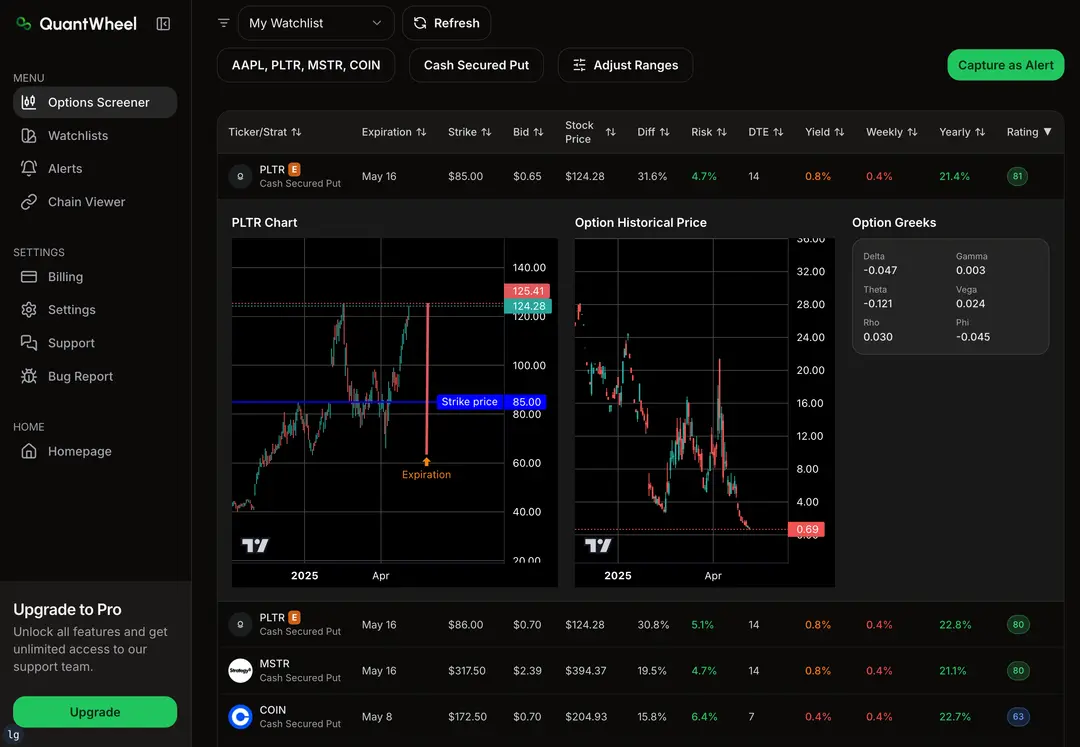
Cash-secured puts let you collect premium on stocks you wouldn’t mind owning. You sell puts and keep cash ready in case you have to buy the stock.
Covered calls are classic: sell calls against stocks you own, and keep the premium if the stock doesn’t pop above the strike.
Iron condors mix both credit spreads. They work best when the stock stays in a range and time just ticks away.
Theta Decay Risks for Buyers and Sellers
Buyers face the biggest risk from theta decay. Time erosion can wreck your option’s value—even if you call the stock direction right.
ATM options get hammered by theta, especially in the last 30 days. That speed can surprise folks new to options.
Sellers have to worry about assignment risk if their short options go in-the-money. You could get stuck buying or selling shares at a bad price.
Gamma risk is a real problem for sellers if the stock moves big. Suddenly, your safe trade can flip to a big loss.
Also, Implied volatility jumps can wipe out theta gains for sellers, and drops can hurt buyers even more.