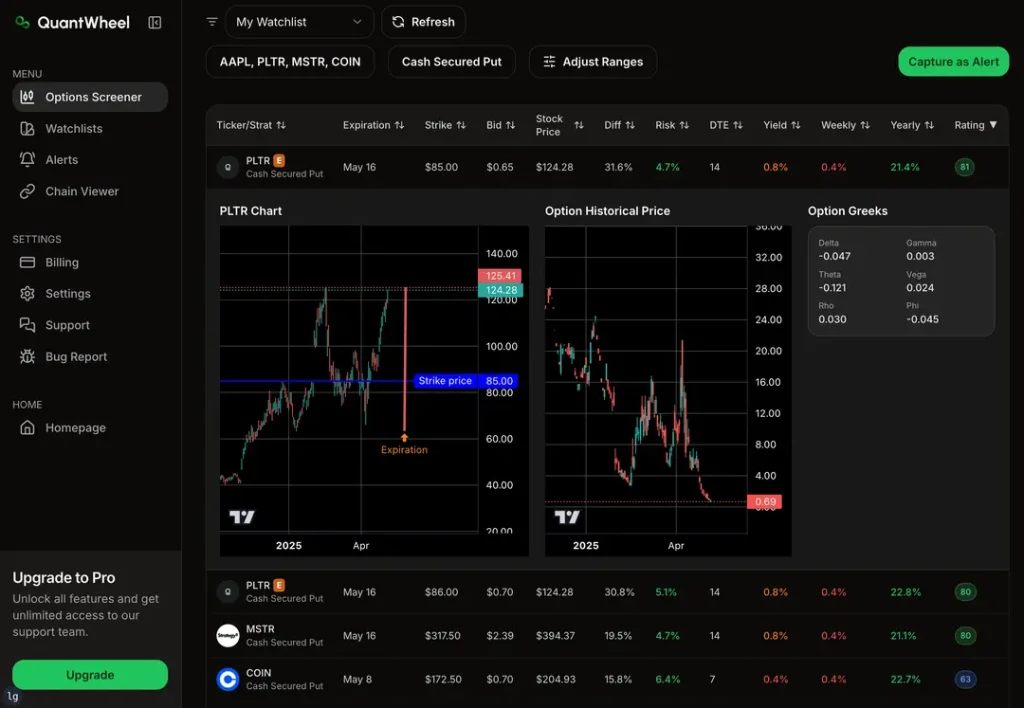
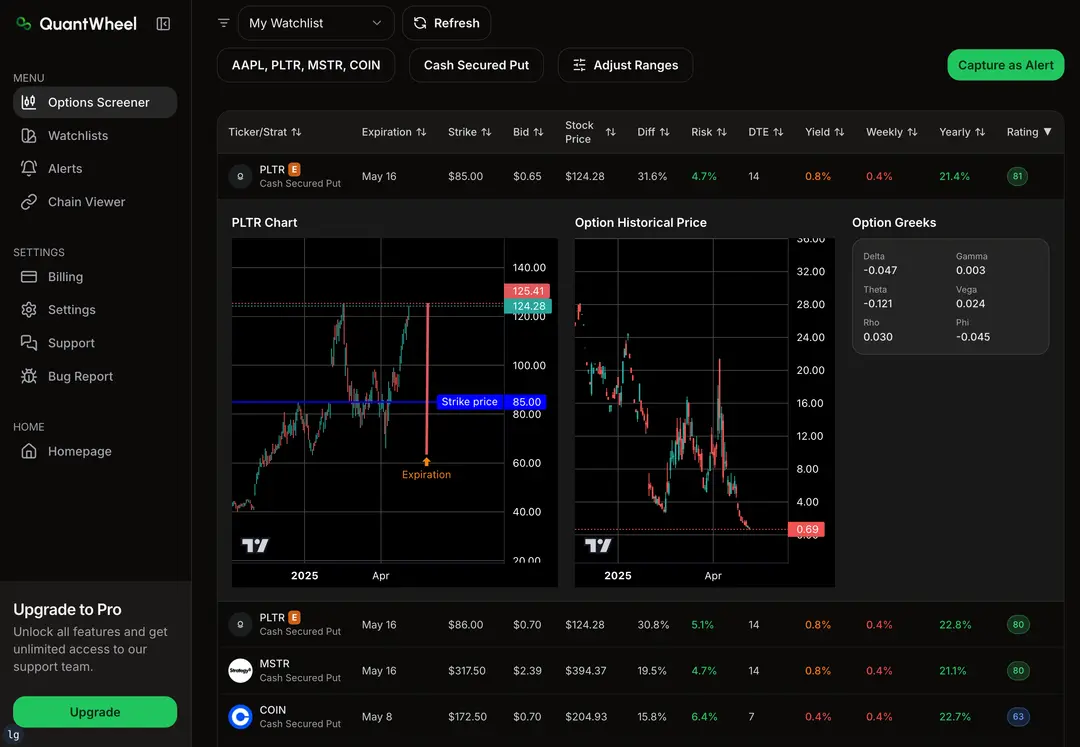
The wheel strategy biggest mistakes are the poor stock selection and wrong timing. From these two “pillars” all the other problems start pouring in. In this guide you can get some guidance on how to prevent those mistakes.
The wheel strategy can be a profitable options trading approach, but many traders make costly errors that hurt their returns. These mistakes often stem from poor stock selection, timing issues, and lack of proper risk management.
The biggest wheel strategy mistakes include choosing volatile stocks without strong fundamentals, selling puts at the wrong strike prices, and failing to manage assignments properly. Many traders also jump into the strategy without understanding how much capital they need or how market conditions affect their results.
Learning to avoid these common pitfalls can help you build a more successful options trading strategy. Understanding what goes wrong and why will make you a better trader and protect your investment capital.
Common Wheel Strategy Mistakes and How to Avoid Them
Most wheel strategy failures stem from poor risk management, misunderstanding options mechanics, ignoring market conditions, and lacking clear trading objectives. These mistakes can turn a profitable strategy into significant losses.
Ignoring Proper Risk Management
Risk management forms the foundation of successful wheel trading. Many traders risk too much capital on single positions or fail to diversify across multiple stocks.
Never risk more than 2-5% of your total portfolio on one wheel position. This rule protects you from major losses if a stock drops significantly after assignment.
Position sizing becomes critical when selling puts. Calculate your maximum loss before entering any trade. If XYZ stock trades at $50 and you sell a $45 put, your maximum risk is $4,500 per contract if the stock goes to zero.
Key risk management rules:
- Limit individual positions to 2-5% of portfolio
- Set stop-loss levels before entering trades
- Diversify across 6-10 different stocks
- Keep cash reserves for unexpected assignments
Many investors ignore volatility when selecting strike prices. High volatility increases premium income but also increases assignment risk. Balance premium collection with acceptable risk levels.
Monitor your overall portfolio delta exposure. Too many bullish positions can create concentrated risk during market downturns.
Misunderstanding Assignment and Expiration
Assignment confusion leads to unexpected positions and capital requirements. Assignment can happen anytime before expiration, not just at expiration.
Cash-secured puts require 100% of the strike price in cash. If you sell five $45 puts on XYZ stock, you need $22,500 in available cash for potential assignment.
Early assignment typically occurs when:
- Stock price drops well below strike price
- Dividend ex-dates approach
- Interest rates change significantly
Plan for assignment from day one. Know exactly what you’ll do if assigned shares. Will you immediately sell covered calls? Which strike price and expiration will you choose?
Assignment checklist:
- Confirm sufficient buying power
- Research upcoming dividend dates
- Plan covered call strategy post-assignment
- Monitor positions daily near expiration
Expiration timing matters for rolling positions. Most traders wait too long to roll losing positions. Roll puts when they reach 50% of maximum profit or 21 days to expiration.
Don’t let puts expire worthless just to collect the final premium. The risk often outweighs the small remaining profit.
Overlooking Market Volatility and Timing
Market conditions dramatically impact wheel strategy success. Many traders use the same approach regardless of volatility levels or market trends.
High volatility periods offer better premium collection but increase assignment risk. Low volatility reduces income but provides more stable trading conditions.
Time your entries during high implied volatility periods. Sell puts when volatility spikes above the stock’s historical average. This maximizes premium income while maintaining reasonable risk levels.
Volatility considerations:
- Sell options when IV is above 30th percentile
- Avoid low volatility periods under 20th percentile
- Monitor VIX levels for overall market stress
- Adjust position sizes based on volatility
Market timing affects which stocks to target. Avoid selling puts during strong downtrends or market corrections. Wait for stabilization signals before initiating new positions.
Economic events and earnings announcements create volatility spikes. Use these opportunities to collect higher premiums but adjust position sizes accordingly.
Track seasonal patterns in your target stocks. Some stocks show predictable volatility changes throughout the year.
Failing to Set Clear Objectives and Planning
Trading without specific objectives leads to inconsistent decisions and poor performance. Many investors start the wheel strategy without defining success metrics or exit criteria.
Set specific monthly and annual income targets. For example, target 2% monthly returns or 24% annual returns from your wheel positions.
Define your stock selection criteria before trading. Create a checklist including minimum market cap, average daily volume, sector preferences, and fundamental requirements.
Essential planning elements:
- Monthly income goals
- Maximum drawdown limits
- Stock selection criteria
- Position management rules
Develop standard procedures for common scenarios. Write down exactly when you’ll roll positions, take profits, or cut losses. This removes emotion from trading decisions.
Plan your tax strategy in advance. Wheel trading generates significant short-term capital gains and ordinary income from options premiums.
Keep detailed trading records including entry/exit prices, dates, and reasoning. Review performance monthly to identify improvement areas.
Discipline separates successful wheel traders from those who struggle. Stick to your predetermined rules even during difficult market periods.
Optimizing Wheel Strategy Execution
Success with the wheel strategy requires careful stock selection, proper position sizing, smart premium collection, and the ability to adapt your approach based on market conditions and trading experience.
Selecting the Right Stocks and Strike Prices
Choose stocks you want to own for the long term. Focus on companies with strong fundamentals and steady business models. Avoid meme stocks or highly volatile shares that could create massive losses.
Research each company’s financial health before selling puts. Look at revenue growth, debt levels, and profit margins. Your analysis should include checking if the stock price has dropped due to temporary issues or serious problems.
Strike price selection determines your risk and returns. Pick strikes at support levels where you believe the stock won’t fall below. Consider strikes 5-10% below the current stock price for safer trades.
Key Strike Price Guidelines:
- ATM strikes: Higher premiums but more assignment risk
- OTM strikes: Lower premiums but safer entry points
- Support levels: Use technical analysis to find strong price floors
Your put option should expire in 30-45 days. This timeframe gives you good premium collection while avoiding excessive time decay risk.
Managing Capital and Position Sizing
Never risk more than 5-10% of your portfolio on a single wheel position. This diversification protects you from major losses if one stock crashes.
Calculate the total capital needed before starting each trade. Remember that selling puts requires enough cash to buy 100 shares at your strike price. Plan your position sizes accordingly.
Keep 20-30% of your capital in cash reserves. This money helps you handle unexpected market drops or take advantage of new opportunities without closing existing positions.
Position Sizing Formula: Strike Price × 100 shares = Required Capital per Contract
Spread your wheel trades across different sectors. Don’t concentrate all positions in tech stocks or any single industry. This hedging approach reduces your overall portfolio risk.
Track your capital allocation in a simple spreadsheet. Include stock names, strike prices, premiums collected, and total capital at risk for each position.
Maximizing Returns Through Premiums and Cost Basis
Target premium collection of 1-3% per trade cycle. Higher premiums usually mean higher risk, so balance income goals with safety considerations.
When assigned shares, your cost basis equals the strike price minus premiums collected. This lower entry point improves your profits when selling calls later.
Sell covered calls at strikes above your cost basis to guarantee profits. Choose strikes 5-15% above your purchase price depending on how quickly you want the shares called away.
Roll losing positions only when it makes financial sense. Compare the cost of rolling versus accepting assignment and starting the call-selling step.
Premium Optimization Tips:
- Sell puts on red market days for higher premiums
- Avoid earnings weeks unless you accept assignment risk
- Use limit orders to capture premium spikes during volatility
Consider the total cycle returns, not just individual trades. Your gains come from combining put premiums, call premiums, and any stock appreciation.
Adapting to Changing Markets and Learning from Experience
Bear markets require smaller position sizes and more conservative strikes. Bull markets allow for more aggressive premium collection and tighter strikes.
Keep detailed trade records including entry dates, strikes, premiums, and outcomes. This data helps you identify which strategies work best for your trading style.
Learn from each assignment and early call situation. Analyze why the trade went against you and adjust your strike selection or stock choices for future trades.
Market volatility changes your execution approach. High volatility periods offer better premiums but increase assignment risk. Low volatility means smaller premiums but safer trades.
Market Adaptation Strategies:
- Bull Markets: Sell puts closer to current prices
- Bear Markets: Use wider strike gaps and smaller positions
- High Volatility: Collect larger premiums but expect more assignments
- Low Volatility: Focus on dividend-paying stocks for extra income
Practice patience during difficult market periods. Don’t abandon the strategy after a few bad trades. Consistent execution over months and years produces the best results.