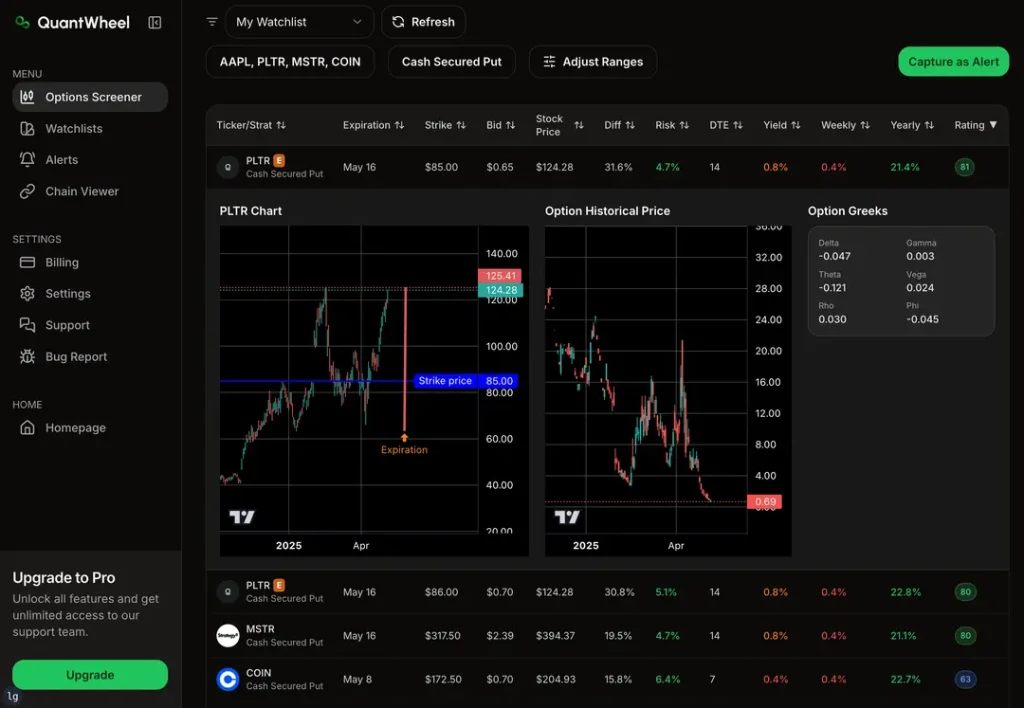
Option Expiration Basics
Options contracts have set dates when they end. It’s important for traders to know the difference between the expiration and the last trading day.
The strike price and premium also matter a lot at expiration. These details can make a big difference in what happens next.
Expiration Date and Time
The expiration date is the day an options contract ends. In the U.S., most stock options expire on the third Friday of each month.
If that Friday’s a holiday, expiration moves to Thursday.
The expiration time is actually 11:59 a.m. Eastern on the expiration date, but that’s not when you can act.
Traders can’t wait until the last minute. They have to give brokers their exercise decisions by 5:30 p.m. Eastern the business day before expiration.
This gives brokers time to process everything. The last day to trade most options is the Friday before the official expiration date on Saturday.
Some exchanges have their own cutoff times.
It’s smart to check with your broker so you don’t get caught off guard.
Key Terms: Contract, Strike Price, and Premium
An options contract gives you the right to buy or sell an asset at a set price before expiration. American options let you exercise any time before expiry, while European ones only allow exercise at expiration.
The strike price is the set price where you can buy or sell the asset. This price never changes during the contract’s life.
The premium is what you pay to buy the contract or what you receive if you’re selling a contract.
As expiration gets closer, time decay eats away at this premium.
If your option is in-the-money at expiration, it keeps some value.
Out-of-the-money options? They’re just gone—worthless.
What Happens When Options Expire
When options hit expiration, it all comes down to whether they’re in-the-money or not.
In short it works like this:
If you’re buying options (buy call/buy put):
If option is in-the-money = in profit/you were right
If option is out-the-money = in loss/you were wrong
If you’re selling options it depends on what your want to achieve with your trade.
If you don’t want to get assigned (this is the way most traders who sell options trade) – you’re looking to stay out-of-the-money when your option trade expires.
But, if your goal is to get assigned and actually get rid of the stock by selling a call OR to actually own the stock at a discount by selling a put – you’re looking to get in-the money.
For sellers:
Covered call strategy – your trade is in-the-money once the stock price is above strike price.
Cash – secured put strategy – your trade is in-the-money once the stock price is below strike price.
In-the-Money vs. Out-of-the-Money
In-the-money (ITM) options have real value at expiration.
A call is ITM if the stock price is above the strike; a put is ITM if the strike is above the stock price.
ITM options usually get exercised automatically.
The holder can buy (call) or sell (put) shares at the strike price, creating a real position in the stock.
Out-of-the-money (OTM) options have no value at expiration.
They just expire, and the holder loses the premium paid.
The seller of an option keeps the premium if the option expires OTM.
At-the-money options are right at the strike price, making things uncertain—tiny moves can flip their status.
Exercise and Assignment
To exercise for an option buyer means the holder uses their rights.
For calls, that’s buying shares at the strike; for puts, it’s selling shares at the strike.
To get assigned can also happen to sellers (when holders exercise).
Writers (sellers) can’t pick when this happens—they just have to deliver on their promise.
In a covered call strategy traders get assigned once the stock price is above strike price.
In a cash secured put strategy traders get assigned once the stock price is below strike price.
Assignment usually finishes overnight after expiration.
Sometimes, people wake up with new stock positions they didn’t see coming—never a fun surprise.
How Expiration Affects Trading
Expiration week brings wild moves in trading volume and prices.
Traders have to tweak strategies and watch out for risks like pin risk and jumpy volatility.
Trading Near Expiration
Trading volume spikes during expiration week.
The Options Clearing Corporation handles a rush as traders close old positions and open new ones for later dates.
Market makers adjust their hedges more often. This can make prices jumpy and spreads even wider.
Typical Trading Patterns:
- Monday-Wednesday: Volume up by 15%
- Thursday: 25% more volume, 20% more volatility
- Friday: Volume jumps 40%, volatility surges 35%
Managing Positions and Risks
As expiration gets close, investors need to watch their accounts closely.
Pin risk is a real headache when a stock price hovers near a strike.
Risk Management Tips:
- Try to close positions 1-2 days before expiration
- Roll positions 5-7 days early to dodge fast time decay
- Keep extra margin handy in case of assignment
- Set alerts if prices get near your strike
The Greeks change fast during expiration week. Delta and gamma can swing wildly, messing with your hedge and P&L.
Special Expiration Cases and Calendar Events
Quarterly expirations can get wild—triple witching days mean options, index options, and futures all expire together.
Big Calendar Events:
- Third Friday of each month: regular expiration
- Triple witching: March, June, September, December
- LEAPS expire in January
Index options usually settle in cash, but stock options settle with shares. This shapes how traders build their strategies.
Holidays can move expiration dates up.
Some strategies just work better in certain cycles.
Calendar spreads love monthly cycles, while short-term trades fit weekly expirations.