Which options trading tools are worth it? Every trader tries to make a process of finding a trade a bit better. Here is a list of what traders we have had encounters said.
GEX (Gamma exposure tool)
GEX means Gamma Exposure. It tracks how much market makers need to adjust their stock holdings as prices change.
Gamma is one of the main greeks in options. It shows how quickly an option’s delta shifts when the stock price moves.
How GEX Works
When you buy calls or puts, market makers usually take the other side. To hedge, they buy or sell stock to stay balanced.
High positive GEX often creates support. Market makers buy stock as prices drop to hedge short puts.
High negative GEX acts as resistance. Here, market makers sell stock as prices rise to hedge short calls.
How to Use GEX
GEX data can help you sharpen your options strategies:
- Spot support and resistance before planning spreads
- Time your entries near high GEX strikes
- Adjust premium expectations based on GEX
- Plan exits using GEX as a price magnet
GEX Tools and Screeners
Some platforms show real-time GEX levels across strikes and expirations. These tools make it easier to spot setups that fit your strategy.
GEX works best with other methods. Mix it with technical analysis and other greeks for a fuller view of market behavior. Honestly, it’s not a magic bullet, but it does give you another angle.
Copytrading
Copytrading lets you mirror trades from experienced options traders. You just link your account and follow their moves in real time.
How It Works
You pick traders with a solid track record. The platform copies their trades to your account, usually within seconds.
Benefits for Options Traders
- Tap into expert strategies without the heavy lifting
- Fast execution (sometimes under 50 milliseconds)
- Risk tools built in
- Performance tracking and analytics
How to Pick Traders
Look for steady returns, not just flashy gains. Check their risk scores, drawdowns, and how they handle tough markets.
Avoid Assignment
Avoiding an assignment or rolling a trade can really be hard.
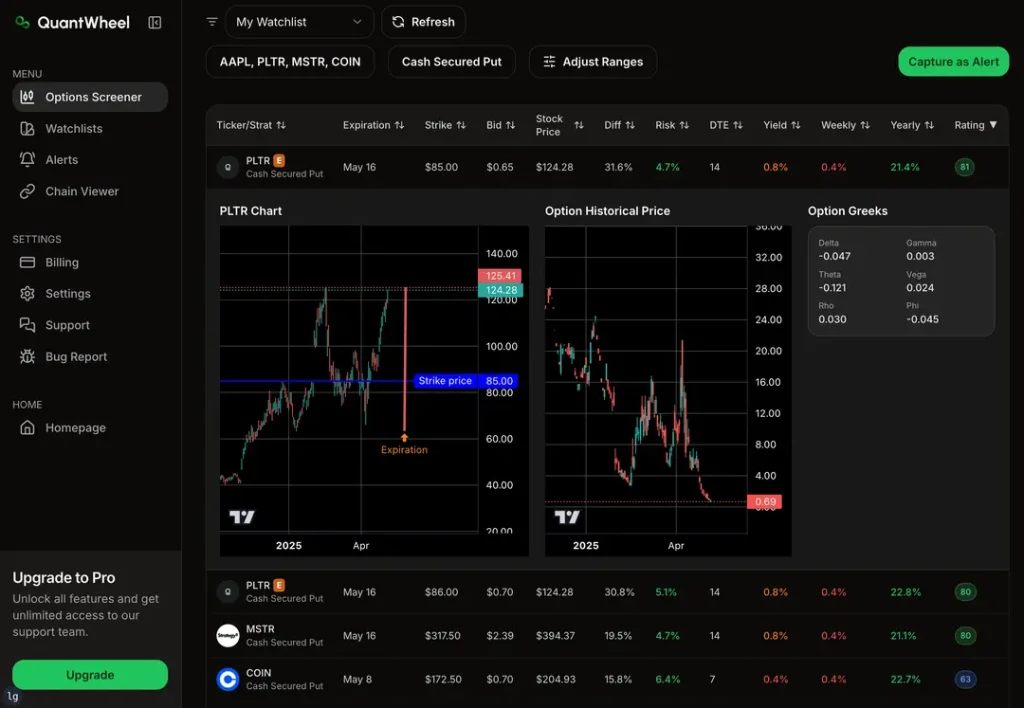
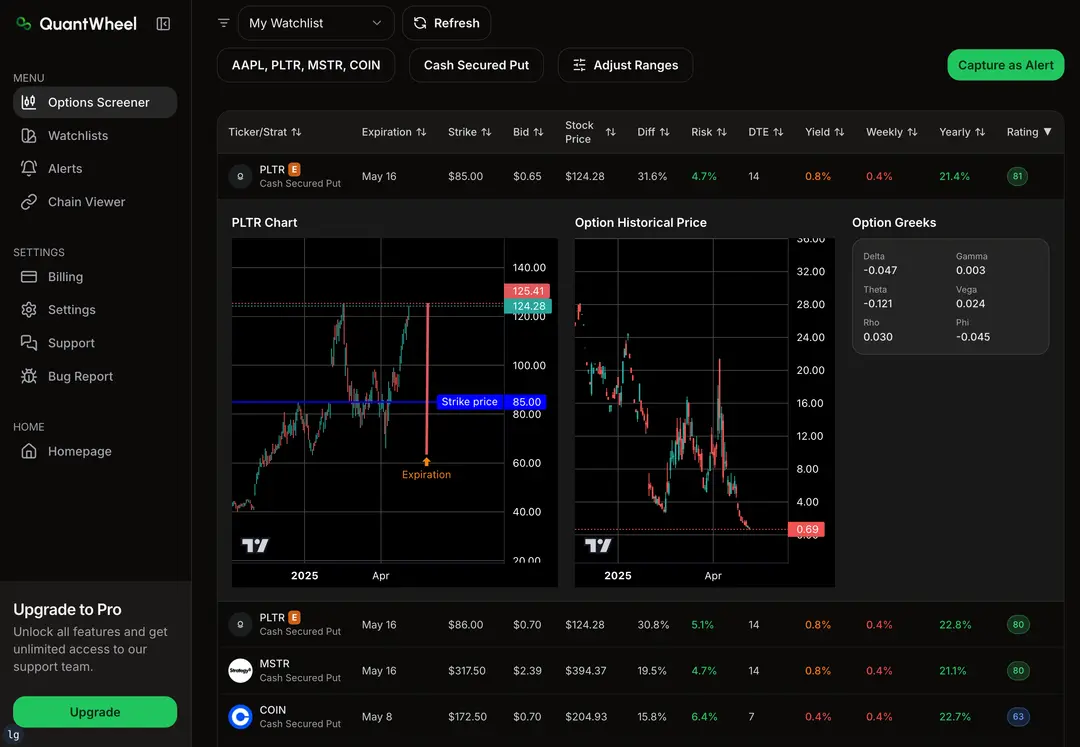
It’s requires a lot of math and we developed a tool that does all this work for you and ranks what it thinks is best.
Still, there are few key triggers you need to check:
- Dividend dates—call holders might exercise before ex-dividend
- Low time value—when premium drops below intrinsic value
- High volume—spikes in activity can mean exercise is coming
Journal
An options journal helps you track performance and spot what works. You jot down trade details to find patterns in your wins and losses.
What to Track:
- Entry and exit prices
- Strike prices and expirations
- Strategy type (calls, puts, spreads)
- Why you entered the trade
- Fees and commissions
- Portfolio impact
Brokers give you basic trade history, but a real journal digs deeper. You get more insight into your habits and decisions.
Some journals connect straight to your broker. That saves time and cuts down on errors.
We have one already in house – QuantWheel AutoJournal.
Why Keep a Journal?
- See which strategies actually make you money
- Track your win rate
- Spot how fees eat into returns
- Learn from your screw-ups
Free spreadsheets are fine for basics.
But paid tools give you better charts and more analysis if you’re getting serious.
Log both your wins and losses.
Only then do you get the full story—and a shot at making smarter trades next time.