Why Risk Management in Options Is So Important
Trading options without risk management? That’s like speeding down a hill with no brakes. You might feel the thrill, but odds are you’ll crash and burn.
Options bring risks you won’t find with regular stocks. Time decay, wild swings in volatility, and strange pricing quirks all come into play.
If you skip risk controls, you could lose your whole investment in a flash. Options can expire worthless, wiping out everything you paid.
Key Benefits for Investors
Risk management offers some real advantages:
- Protects your capital from big losses
- Cuts down on emotional trades
- Keeps you disciplined when the market gets crazy
- Makes steady profits possible over time
Market volatility hits options in ways stocks don’t. Even a tiny move in the stock can swing option prices by huge percentages.
Options have expiration dates, so time is always working against you if you’re buying. Every day chips away at your option’s value.
Professional traders never skip risk management. They care more about protecting their money than chasing huge wins.
With the right controls, your portfolio can survive a few bad trades. But without them, one mistake could wipe out months of hard work.
Risk management gives you confidence. You know exactly how much you could lose before you ever hit “buy.”
The Main Risks in Options Trading
Options trading comes with several risks that can lead to big losses if you aren’t careful. These contracts are more complicated than stocks, so you really need to understand what makes prices move.
Time Decay Risk is a major threat. Your options lose value as the expiration date gets closer. If you buy calls or puts, time is always working against you.
Volatility Risk can mess with your option’s price. High volatility means higher prices, but when volatility drops, your contracts can lose value fast—even if the stock moves your way.
Leverage Risk makes everything bigger—both gains and losses. A tiny move in the stock can swing your option’s value wildly. That kind of exposure can drain your account way faster than trading stocks.
Directional Risk is when you bet the wrong way. Buy a call thinking the stock will rise, but it drops? Your option’s toast.
Liquidity Risk can trap you in a bad trade. Some options barely trade, especially if they’re far from the strike or close to expiration.
| Risk Type | Impact |
| Time Decay | Options lose value daily |
| Volatility | Premium changes with market uncertainty |
| Leverage | Small moves create big losses |
| Directional | Wrong predictions hurt your investment |
| Liquidity | Hard to exit at good prices |
Assignment Risk is one for the sellers. You could suddenly have to buy or sell shares at prices you hate if your contract gets exercised.
Complex strategies like iron condors? They just pile on more ways for things to go wrong, since multiple contracts can move against you at once.
Core Rules for Managing Risk in Options Trading
Never risk more than you can lose without losing sleep. This rule keeps your account alive for the long run. Decide how much you’re willing to lose before you place a trade.
Figure out your risk tolerance ahead of time. Most good traders only risk 1–3% of their account on any single trade. Stick to your number.
Always have a trading plan before you jump in. That plan should spell out your entry, your exit, and your stop-loss.
Use position sizing to keep your risk in check. Smaller trades mean smaller losses when things go sideways.
| Risk Rule | Why Use It | Example |
| Set stop-losses | Limit downside | Exit at 50% loss |
| Diversify positions | Spread risk | No more than 5% in one stock |
| Time decay planning | Manage theta risk | Close 30 days before expiration |
Pick strategies you actually understand. Simple stuff like buying calls or puts is way easier to manage than complicated spreads.
Check your positions every day. If the market shifts, be ready to tweak your trades.
Set profit targets as well as loss limits. Taking profits at set points helps you avoid emotional moves and lock in gains.
Try paper trading before you risk real cash. It’s a safe way to see if your risk plan actually works.
Common Mistakes People Make with Options
Ignoring Time Decay is a wallet killer. Options lose value as the clock ticks. You can be right about direction and still lose money if you run out of time.
Poor Position Sizing wipes out accounts fast. Never risk more than you can afford to lose on one trade. Too many folks go big and regret it.
No Exit Plan means you take bigger hits than you should. Know when you’ll take profits and when you’ll cut losses before you ever enter.
Here are some classic mistakes:
- Buying options right before expiration – less time, more risk
- Letting small losses grow – hoping things turn around
- Chasing quick wins – usually leads to bad choices
- Forgetting about volatility – it can crush your option’s value
Not understanding assignment risk trips up a lot of sellers. You might get stuck with stocks you never wanted.
Overtrading just racks up fees and stress. More trades don’t always mean more money.
Skipping the basics is just dangerous. Practice with paper trading first. If you don’t know how options work, you’re setting yourself up for pain.
Stop-Losses and Profit Targets: Your First Line of Defense
Stop-loss orders are like insurance for your trades. They kick you out of losing trades before things get ugly.
Set a stop-loss price before you buy. That way, when things go wrong, you don’t have to think—you’re out, no drama.
Profit targets do the opposite: they lock in your gains when things go your way. They keep you from turning a win into a loss.
Why Use Both?
- Automatic exits – No panicking when markets get wild
- Risk control – You know your max loss
- Profit protection – Lock in wins before they disappear
- Consistency – Same rules, every trade
Position sizing and stop-losses go hand in hand. Only risk 1–2% of your account on each trade. That way, even if your stop gets hit, you live to fight another day.
Your profit goals depend on your risk-reward ratio. Aiming for double your risk (1:2) means you can win half the time and still come out ahead.
Set stops below support for calls, above resistance for puts. Use the chart, not just a random number.
Pick profit targets that match up with resistance or recent highs. If you set them too far, you might never get there. Find the sweet spot between realistic and ambitious.
Both tools work together to guard your account from the market’s surprises.
What Margin Calls Really Mean (and Why You Want to Dodge Them)
A margin call hits when your account balance drops under your broker’s minimum. Usually, it’s because your trades lost value and you don’t have enough cash to cover the risk.
It’s basically your broker waving a red flag. They’re telling you to add money or they’ll start closing your trades.
Why Do Margin Calls Happen?
- Markets move against you
- Too much leverage on risky bets
- Not enough cash as a buffer
- Sudden spikes in volatility
Trading on margin means you’re borrowing money from your broker. That can juice your gains, but it also makes losses pile up faster. And yeah, you pay interest on what you borrow.
Your broker sets two main numbers:
| Margin Rule | What It Means |
| Initial Margin | Minimum to open trades |
| Maintenance Margin | Minimum to keep trades open |
If your account drops below maintenance, you get a margin call. Your options? Add more cash, close trades, or let your broker do it for you.
Why Avoid Margin Calls?
Margin calls force you into rushed decisions. You might have to sell good trades at bad prices just to meet the call.
They also throw your trading plan out the window. Instead of following your strategy, you’re scrambling to plug the hole.
Interest charges stack up. And forced sales? They usually happen at the worst times.
How to Protect Yourself with Diversification
Diversification is your best shield against big losses in options. Don’t put all your cash in one trade—spread it out across different positions and strategies.
Trade options on different assets in different sectors. Mix tech with healthcare, utilities, even commodities. That way, if one group tanks, the others might hold up.
Mix up your strike prices and expiration dates. Don’t just buy out-of-the-money calls that expire next week. Add some in-the-money options with more time to balance things out.
| Diversification Move | How It Helps |
| Multiple sectors | Reduces sector-specific pain |
| Different strikes | Spreads out profit potential |
| Various expirations | Cuts down on time decay risk |
Position sizing is key. Never risk more than 5% of your total account on one trade. Smaller trades mean more chances to bounce back.
Try a mix of option strategies. Pair covered calls with protective puts, or credit spreads with long calls. Each one reacts differently to the market.
Hedging can help too. If you’re holding bullish calls, maybe add a few puts as insurance in case things go south.
Watch how your trades move together. If everything rises and falls at once, that’s not real diversification. Make sure your bets aren’t all pointing the same way.
Best Tools for Managing Options Risk (ovo promjeniti)
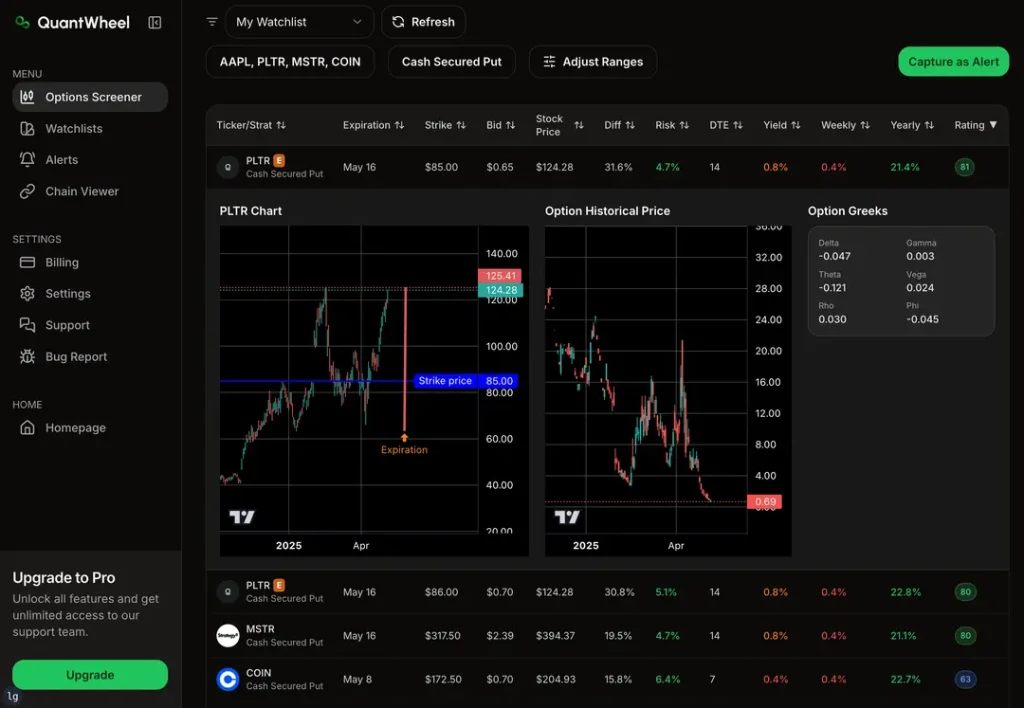
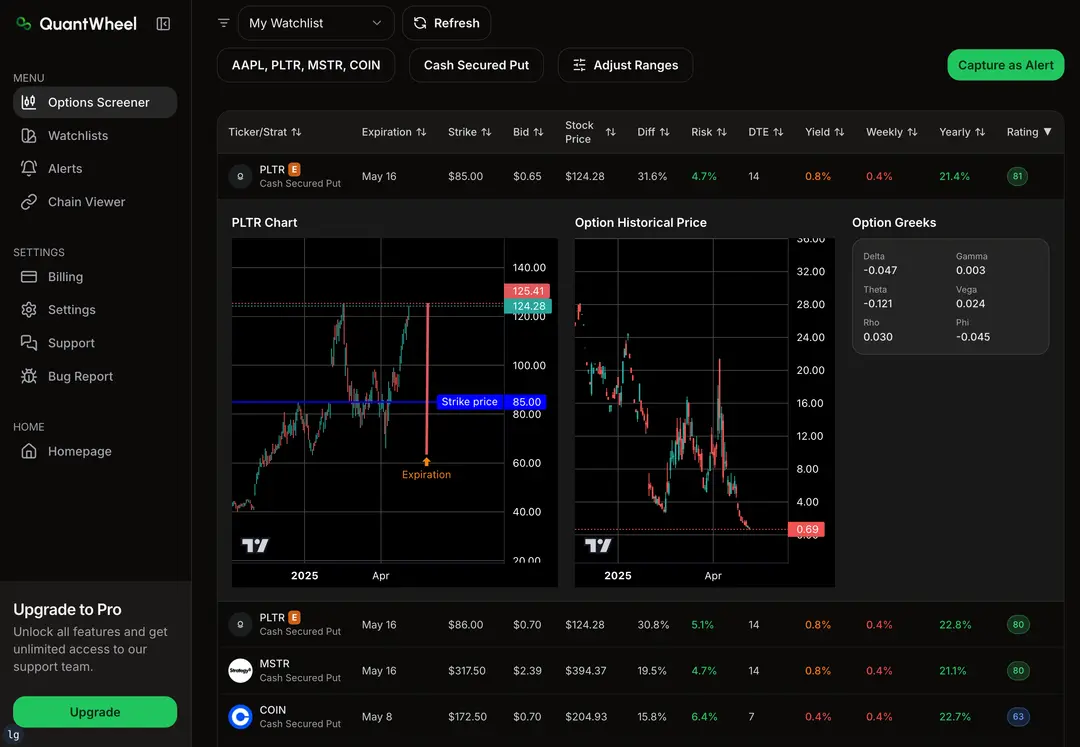
Managing risk in options trading takes more than just a basic trading account. You need software that tracks greeks, runs stress tests, and gives you real-time risk updates.
What You Should Look For:
- Live greeks (delta, gamma, theta, vega)
- Portfolio risk checks and position sizing
- Scenario modeling and stress testing
- Automated alerts and risk monitoring
Top Trading Platforms
tastytrade brings you sharp portfolio risk analysis and automatic profit/loss tracking. It comes with liquidity ratings and risk tools built for folks trading big volumes of options.
thinkorswim lets you dig into risk-reward profiles and probability stats. You get real-time Level II data and can set up your own options flow filters for deeper market views.
Market Chameleon is all about options market research. You get tons of analytics, screeners, and data on unusual options activity, plus a look at market sentiment.
Extra Risk Tools
Many pro traders turn to LiveVol for live market activity and detailed stats. This tool, built by CBOE, serves up advanced analytics and time and sales data.
IVolatility hands you historical options data and API access, so you can build your own risk models. Their datasets make backtesting and custom risk checks way easier.
Why These Tools Matter
These tools let you spot possible losses before anything actually happens.
They give you the numbers and insights you need to tweak your positions and keep your options portfolio in check.