Vega IV Crush happens when the implied volatility (IV) of an option drops sharply after a big event, like an earnings announcement. This sudden fall in volatility can cause the value of your options to decrease quickly, even if the stock price doesn’t move much. Understanding this can help you protect your trades and avoid unexpected losses.
In options trading, volatility is a key factor that affects how much your options are worth. When the market expects a big move, IV is high, pushing option prices up. After the event, if the actual move is smaller or less surprising, the IV drops, leading to Vega IV Crush.
You need to know how to recognize this risk and use strategies to manage it. This article will help you see how Vega IV Crush works and what it means for your trades so you can be more prepared when making decisions.
Understanding Vega IV Crush in Options Trading
Vega IV Crush involves how option prices react to changes in implied volatility, especially around big market events. Knowing how volatility influences option premiums can help you manage risk and make smarter trades. This section breaks down the key points about vega, IV crush, and their role in market moves.
Definition and Fundamentals
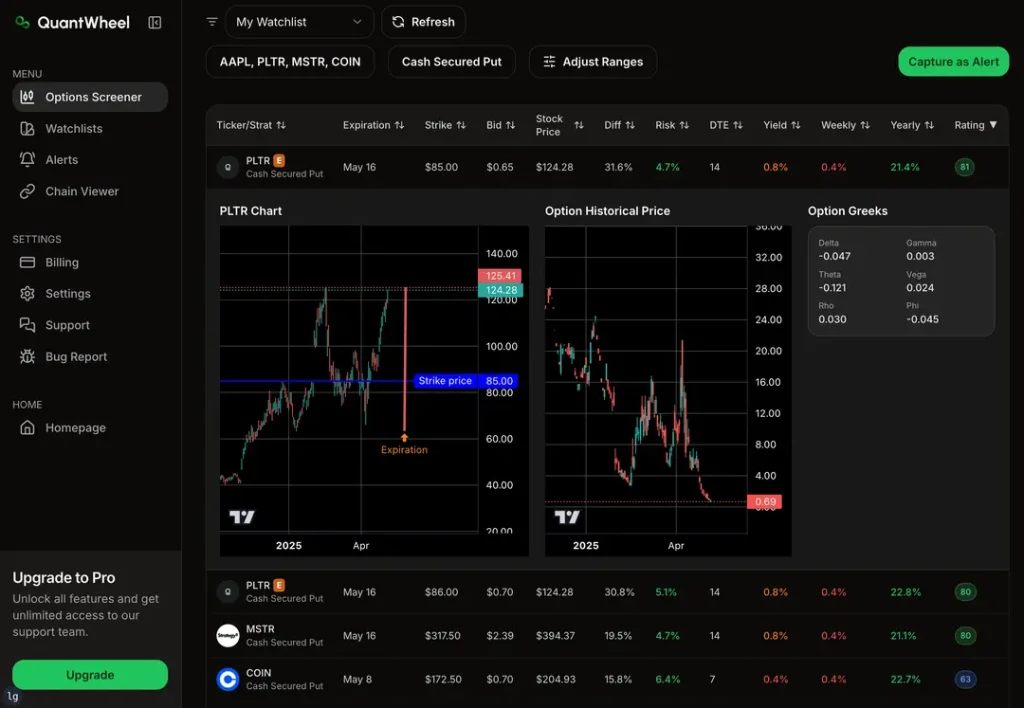
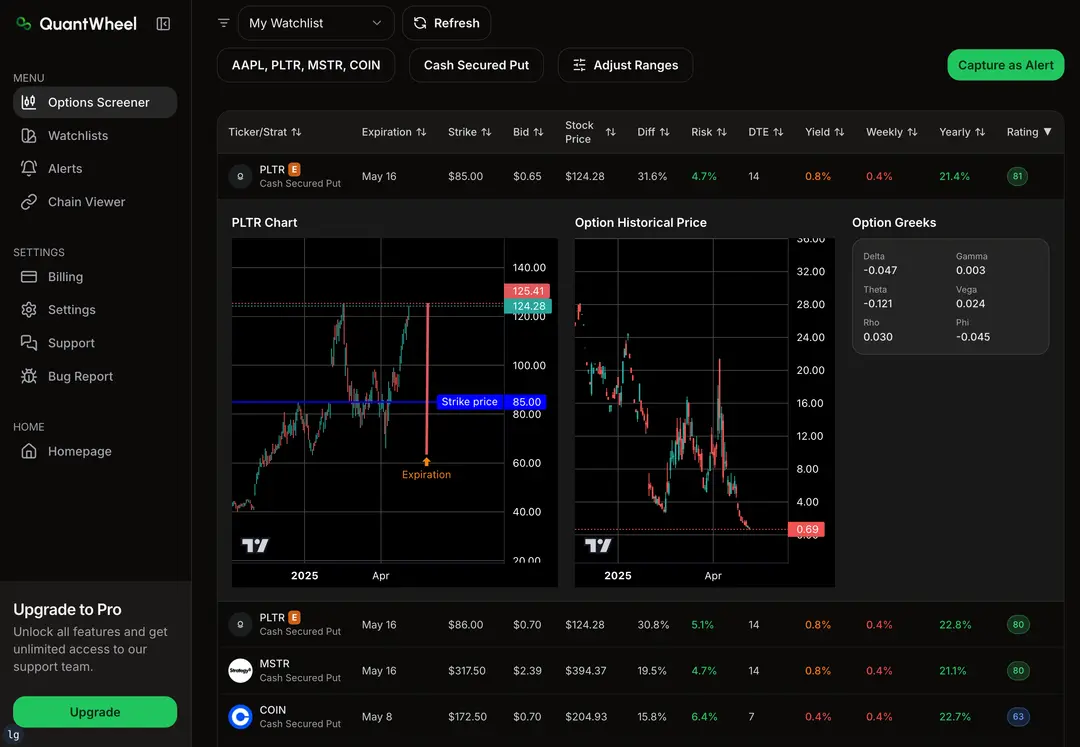
Vega measures how much an option’s price changes when implied volatility (IV) changes by 1%. It shows how sensitive your option is to shifts in market uncertainty. Higher vega means the option price reacts more to volatility changes.
IV Crush happens when implied volatility drops sharply after a known event, like earnings news. Before the event, IV is usually high because traders expect big moves. After the event, uncertainty falls, causing IV and option prices to drop quickly.
For example, if you buy an option expecting big moves, IV Crush can reduce your profits or cause losses, even if the stock moves as predicted. It’s crucial to understand vega and IV Crush to time your trades and avoid surprise drops in option value.
How Vega Relates to Volatility
Vega is one of the “Greeks,” which are measurements of an option’s risk factors. It specifically tracks the effect of IV, which reflects market expectations of future stock price swings.
When implied volatility rises, option premiums increase because the chance of large price moves grows. Your option becomes more valuable, even if the stock price stays stable. Vega quantifies this benefit.
If IV falls, your option value decreases by about vega times the drop in IV. So, vega tells you how much money you could lose or gain just from changes in volatility, not from the stock price move itself.
This makes managing vega important when trading around uncertain events. You must decide if you want exposure to volatility risk or prefer to avoid it.
The Impact of IV Crush Around Market Events
IV Crush usually happens right after events like earnings announcements, FDA decisions, or major economic reports. Before these events, traders buy options to hedge or speculate, pushing IV and option premiums up.
Once the event passes and new information is known, uncertainty crashes. Implied volatility drops quickly, bringing down option prices sharply, even if the stock continues to move.
For example, a trader who buys calls before earnings at high IV pays a premium. After the report, IV drops 30-50%, shrinking option value fast. This drop can wipe out some or all of the profit from a favorable stock move.
Understanding this pattern helps you avoid unexpected losses right after big events by adjusting your trade timing or strategy.
Factors Influencing IV Crush
Several factors affect the size of IV Crush you experience:
- Type of Event: Earnings typically cause larger IV drops than routine news since earnings bring more uncertainty.
- Stock or Security Volatility: More volatile stocks tend to have higher IV and often bigger IV Crush.
- Market Anticipation: If many traders expect a big move, IV rises more leading up to the event, causing a harsher crush afterward.
- Time Remaining: Options close to expiration are more sensitive to IV changes, so IV Crush impacts them stronger than longer-term options.
- Overall Market Conditions: In calm markets, IV Crush might be smaller; in volatile markets, it tends to be larger.
By watching these factors, you can better predict the risk of IV Crush and prepare your trades accordingly.
Strategies and Risk Management for Vega IV Crush
You need to manage how implied volatility (IV) drops after earnings announcements carefully. This involves positioning before earnings, using specific options strategies, and protecting your premium to reduce losses and make profits from volatility changes.
Positioning Before Earnings Announcements
When you trade options before earnings, anticipate that implied volatility will be high and likely to drop sharply after the announcement. This drop is known as IV crush.
You should avoid buying expensive calls or puts right before earnings unless you expect a large move in stock price. Instead, consider selling options to collect premium, as the decrease in IV can work in your favor.
Analyze the stock’s past earnings moves and IV patterns. Use tools like IV rank or IV percentile to understand if volatility is unusually high. This helps you decide whether to enter or exit trades ahead of earnings.
Options Strategies to Offset IV Crush
Use credit spreads such as bull put spreads or bear call spreads to benefit from premium decay during IV crush. These strategies limit your risk but allow you to collect premium that drops with IV.
You can also use iron condors or butterflies, which sell options at different strike prices to profit from the decrease in volatility while controlling potential losses.
Buying options just before earnings is risky because of IV crush. Instead, sell options to earn premiums, then buy them back after the announcement at a lower price if IV has dropped.
Mitigating Risk and Protecting Premiums
Control risk by using defined-risk strategies like spreads instead of naked calls or puts. Spreads limit your losses if the stock moves against you after IV crush.
Always set stop-loss points to protect against unexpected stock price moves. Monitor your positions actively during earnings week to adjust trades.
Consider taking profits early if volatility starts to drop faster than expected. This helps you lock in premiums and avoid big losses when IV crush hits your positions hard.