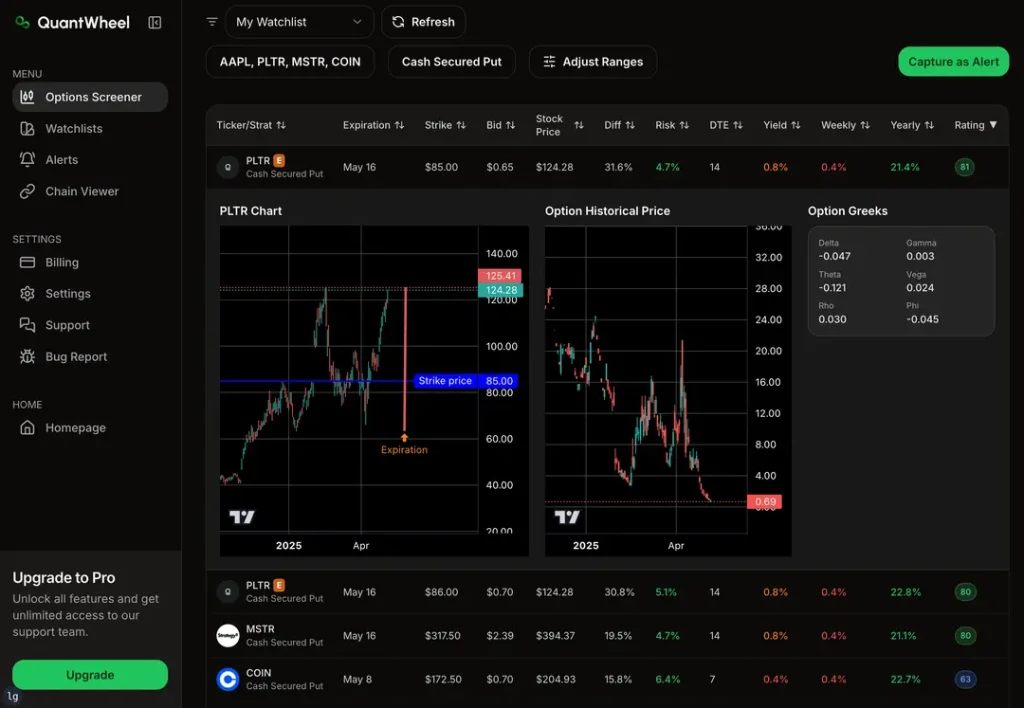
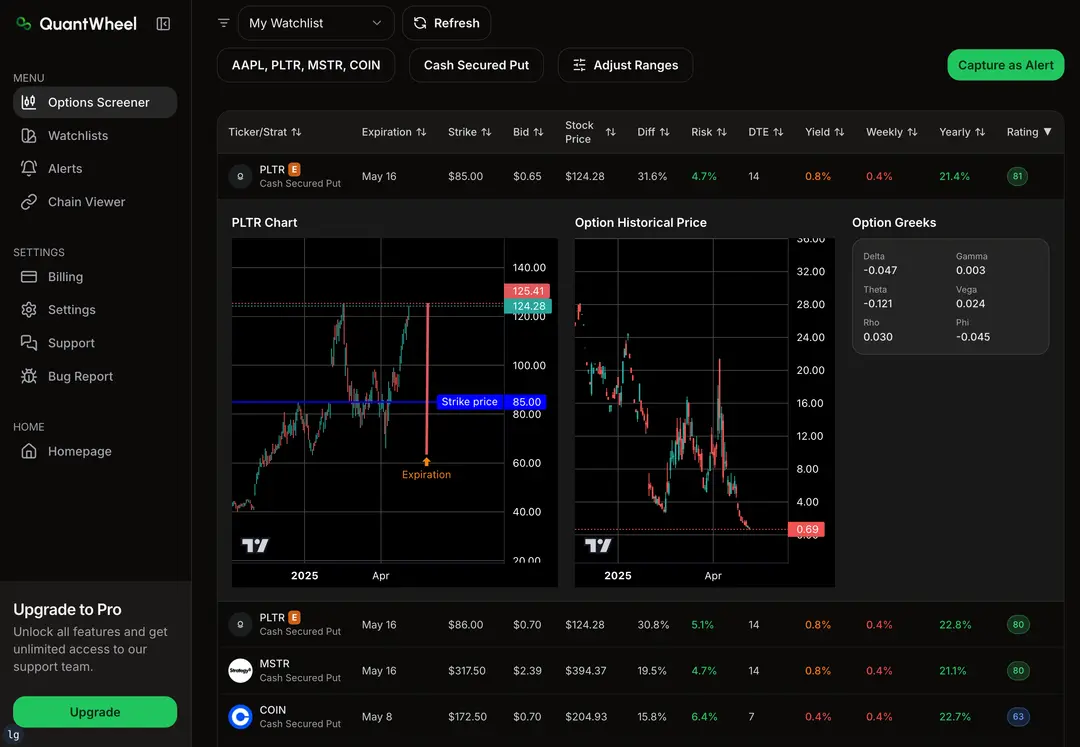
Selling cash secured puts is an options strategy where you sell put options while holding enough cash to buy 100 shares of the stock if the option gets assigned. This approach lets you generate income from the premium you receive when selling the put option.
You can use cash secured puts to earn money while potentially buying stocks at lower prices than their current market value. The strategy works best when you want to own a particular stock but think it might drop in price soon.
Many investors use this method as a way to enter positions in quality companies. You keep the premium no matter what happens, and if the stock price stays above your strike price, you never have to buy the shares.
Understanding Cash Secured Puts
Cash secured puts let you generate income by selling put options while holding enough cash to buy the stock if assigned. This strategy requires you to keep the full purchase amount in your account as collateral.
How Cash Secured Puts Work
When you sell a cash secured put, you receive premium income upfront. You must hold cash equal to 100 shares times the strike price in your account.
The put buyer can exercise their option if the stock price falls below the strike price. If this happens, you get assigned and must purchase 100 shares at the strike price.
Your cash serves as collateral for the put contract. This eliminates margin requirements since you have the full purchase amount ready.
If the stock price stays above the strike price at expiration, the option expires worthless. You keep the premium as profit and can sell another put option.
Key Terminology and Components
Premium is the money you receive for selling the put option. This becomes your income if the option expires without assignment.
Strike price is the price at which you agree to buy the stock. You choose this price when selling the put contract.
Expiration date determines how long the contract remains active. Most traders use weekly or monthly options for this strategy.
Assignment occurs when the put buyer exercises their option. You must then purchase 100 shares at the strike price regardless of the current market price.
Collateral refers to the cash you hold in your account. This amount equals the strike price multiplied by 100 shares per contract.
Benefits and Risks of Selling Cash Secured Puts
The main benefit is generating income from premium collection. You profit if the stock price remains above your strike price at expiration.
This strategy works well in neutral to bullish markets. You can also acquire stocks you want to own at a lower price through assignment.
The primary risk is potential loss if the stock price drops significantly below your strike price. Your maximum loss equals the strike price minus the premium received.
Volatility affects option premiums directly. Higher volatility increases premium income but also raises the risk of assignment.
You tie up significant capital since you must hold cash for potential stock purchases. This limits your ability to use that money for other investments.
Step-By-Step Guide to Selling Cash Secured Puts
Selling cash secured puts requires choosing good stocks at fair strike prices, placing proper orders through your broker, and knowing when to close or accept assignment.
Selecting the Right Stock and Strike Price
Pick stocks you would actually want to own at the strike price. Look for companies with strong business models and steady revenue growth.
Choose strike prices below the current market value. This gives you a safety buffer if the stock drops. Most traders pick strikes 5-15% below the current stock price.
Check the option’s premium before placing your trade. Higher premiums mean more money upfront but often come with higher risk. Compare different strike prices and dates to find the best value.
Look at trading volume for both the stock and the put option. High volume means you can enter and exit trades more easily. Avoid options with very low trading activity.
Research the company’s earnings dates and news events. Major announcements can cause big price swings. Many traders avoid holding puts through earnings reports.
Setting Up the Trade With Your Broker
Contact your broker to get approval for options trading. Most brokers require Level 1 or Level 2 options approval for cash secured puts. Fill out their options application and wait for approval.
Make sure you have enough cash in your account. You need 100% of the money to buy 100 shares at your chosen strike price. This cash gets held as collateral until you close the trade.
Place a “sell to open” order for the put option. Select the stock, strike price, and expiration date. Choose your order type – market orders fill faster but limit orders give you price control.
Review all trade details before submitting. Check the strike price, expiration date, and premium amount. Make sure you have sufficient funds and understand the commission costs.
Managing and Closing Positions
Monitor your position daily. Watch the stock price and how much time remains until expiration. If the stock stays above your strike price, you keep the premium as profit.
Close early if you’ve made 25-50% of the maximum profit. You can buy back the put option to end the trade. This frees up your cash for new investment opportunities.
Prepare for assignment if the stock drops below your strike price. You’ll be required to purchase 100 shares at the strike price. Make sure you still want to own this stock.
Set alerts on your broker’s platform. Get notified when the stock approaches your strike price or when you reach your profit targets. This helps you make timely decisions about your trades.