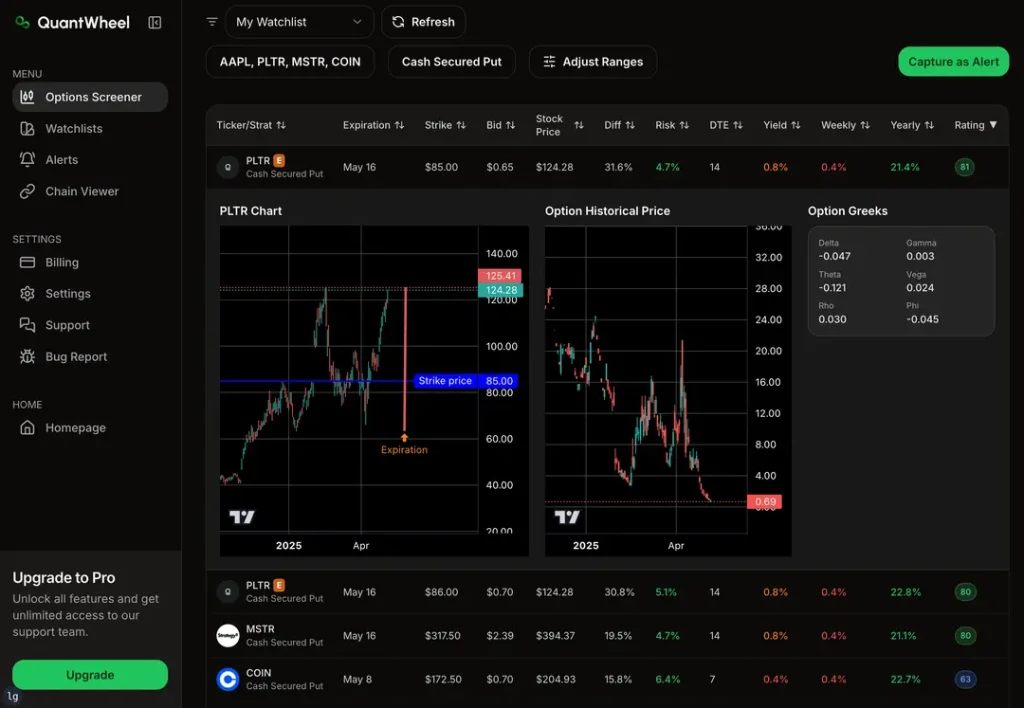
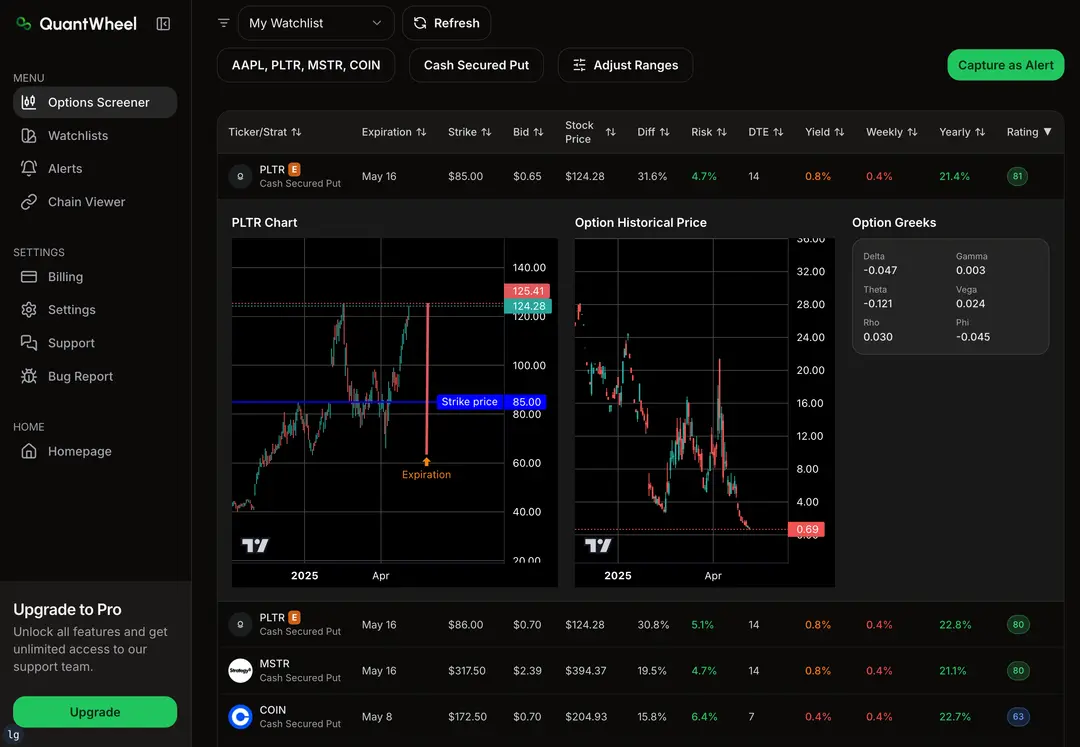
A cash secured put is an option strategy where you sell a put option while keeping enough cash in your account to buy the stock if assigned. This means you earn income by collecting option premiums while being prepared to buy shares at a price you find acceptable. It is a way to potentially buy stocks cheaper than the current market price or generate steady income.
You use cash secured puts to manage risk while possibly acquiring shares at a discount. This strategy can work well alongside other investments like ETFs and bonds, helping you grow your portfolio in different market conditions. Many advisors and investors use cash secured puts as a part of their overall plan.
Knowing how to pick the right strike price and managing your position can make a big difference in your results. Understanding how assignment works is key because you might end up owning the stock. With careful planning, you can use this strategy for both income and to build positions wisely.
What Are Cash Secured Puts
A cash secured put is an options strategy where you sell a put option and keep enough cash ready to buy the underlying stock if needed. You act as the option writer by agreeing to buy the stock at a set price, called the strike price, if the buyer chooses to exercise the put.
You must hold cash equal to the cost of buying the stock. This cash acts as a security to cover your obligation. This makes the risk lower than naked puts because you can pay for the shares without borrowing or selling other assets.
Investors use cash secured puts to generate income from the premium paid by the put buyer. If the stock price stays above the strike price, the put expires worthless, and you keep the premium.
If the stock price falls below the strike price, you may have to buy the stock at that price. This means you take ownership of the shares but at a price you agreed on when you sold the put. This shows both the risk and reward of this strategy.
| Term | Meaning |
| Put | Option giving right to sell |
| Put Writer | Seller of the put option |
| Underlying | Stock or asset of the option |
| Strike Price | Price to buy or sell by contract |
| Premium | Money earned from selling option |
Using cash secured puts can fit into various investment strategies. You should consider your risk tolerance and market outlook before trading.
Why Sell Puts Instead Of Buying Stocks
Selling puts can be a good strategy if you want to buy a stock but at a lower price. Instead of buying the stock right away, you sell a put option, which gives you income from the option premium.
If the stock price stays above the strike price, you keep the premium as profit. If the stock price falls below the strike price, you may have to buy the stock at that price, which might be lower than the current market price.
This strategy offers two main advantages:
- You get paid to wait for a stock you want.
- You can buy the stock at a discount if it drops.
As an investor, selling puts helps you generate income even if the stock doesn’t move much. It can also lower your overall cost basis if you end up owning the stock.
For traders, selling cash secured puts means you risk only the amount of cash needed to buy the stock. This is less risky than selling naked puts, where you might owe a lot of money without owning the stock.
In summary, selling puts can be a safer way to enter a stock position. You get paid while waiting, and you only buy if the price meets your target. This makes it a flexible strategy for many investors and traders.
How Cash Secured Puts Work
When you sell a cash secured put, you agree to buy an asset at a specific price if the buyer of the contract chooses to sell it. You receive a premium for taking on this right. The premium is your income for selling the put.
To sell this put, you must hold enough cash as collateral. This money covers the full cost of buying the asset if the contract is exercised. The cash secured put ensures you can pay for the asset without borrowing.
The buyer of the put contract has the right to sell the asset to you before the expiration date. If the price of the asset stays above the contract price, the put often expires worthless, and you keep the premium.
If the asset’s price drops below the contract price, the put seller (you) must buy the asset at the agreed amount. The premium you earned lowers your effective purchase price.
Example:
| Term | Meaning |
| Premium | Money you get from selling the put |
| Collateral | Cash set aside to cover buying the asset |
| Expiration | Date when the contract ends |
| Obligation | Your duty to buy the asset if exercised |
This transaction gives you income through the premium but also creates an obligation to buy the asset if the market price drops. You must be prepared for this risk before selling a cash secured put.
Strike Selection
When choosing a strike price for a cash secured put, you should look closely at the current stock price. The strike price is usually set below the stock price to create a margin of safety.
Your goal is to collect a premium that matches your profit target while managing risk. A strike price too close to the stock price may offer less profit but a higher chance the put will be exercised.
If you set the strike price far below the stock price, the premium you receive will be smaller. This reduces profit but lowers the chance you will have to buy the stock.
Here’s a simple way to think about it:
| Strike Price Relation | Risk Level | Premium (Profit) | Likelihood of Stock Assignment |
| Close to stock price | Higher risk | Higher premium | Higher |
| Far below stock price | Lower risk | Lower premium | Lower |
You want to balance between value and risk. Picking your strike price also depends on your view of the stock’s future price. If you expect the stock to stay steady or rise, choosing a strike slightly below the current price can be safer.
Remember, your strike price impacts your overall profit. Choose a strike that fits your plan for income and potential stock purchase.
Managing Assignment And Building Your Position
When you sell a cash secured put, you agree to buy shares if the market price falls below the strike price. If this happens, you face an assignment, which means you must buy the shares at the agreed price.
Assignment can help you build a position in a stock you want to own. You receive income from the sale of the put, which lowers your effective cost if you get assigned.
You should have a plan for managing this risk. Decide if you want to keep the shares or sell them right away. Holding the shares adds to your portfolio and can generate dividends over time.
If you don’t want to own the shares, you can close your position before assignment by buying back the put. This may cost money but avoids buying unwanted shares.
Look at your target return and how the shares fit your overall investment goals. Managing your cash secured puts carefully helps protect your income and build your position wisely.
| Action | Result | Consideration |
| Let put expire | Keep premium as income | No shares assigned |
| Assigned | Buy shares at strike price | Must have cash ready |
| Buy back put | Close position early | Possible loss or profit |
Use these strategies to balance income from option premiums with owning shares that match your investment plan.
How To Sell Puts
To sell a put, you first need a trading account that supports options. Make sure your account is approved for options trading and you have enough cash to cover the put. This cash acts as security in case you must buy the stock later.
Next, choose the stock and strike price for the put you want to sell. The strike price is the price you agree to buy the stock if the option is exercised. You will receive a premium payment upfront for selling the put.
When you sell a put, you take on the obligation to buy the stock at the strike price if the buyer exercises the option. You should be ready to purchase the shares if the stock price falls below the strike.
Here’s what you do to sell a cash secured put:
- Select the expiration date of the put option.
- Decide on a strike price based on your risk and potential purchase price.
- Verify your cash balance covers the strike price times the number of shares (usually 100 per contract).
- Place the sell order for the put option in your trading platform.
Once the put is sold, you keep the premium no matter what happens. If the put expires worthless, you keep your cash and the premium. If the put is exercised, you use your cash to purchase the stock at the strike price.
Selling puts can be a way to buy stocks at a lower price while earning income. Always monitor your account and the trade until the expiration date.
Biggest Mistakes
One major mistake is not having enough funds or equity to cover the cash-secured put. You must keep enough cash in your account to buy the stock if assigned. Using margin or borrowed money can increase your risk and lead to bigger losses.
Another mistake is ignoring market volatility. High volatility can make put prices expensive, but it also means the stock price could drop quickly. You need to understand how changes in the market affect the value of your puts.
Many traders overlook fees and taxes. Trading options often comes with commissions and other costs. Taxes on profits and losses can reduce your overall gains. Always factor these into your plans.
Some people write puts without a clear plan for managing risk. You should be ready to buy the stock or close the position if the price falls too far. Not having an exit strategy can lead to larger, unexpected losses.
Ignoring advice from experienced traders can be costly. While you should make your own decisions, learning from others’ mistakes and tips can improve your results.
In some cases, not understanding how put options work leads to confusion about potential losses. Remember, your maximum loss is the strike price minus the premium received, times the number of shares if assigned.
Tracking your positions regularly is important. The market can change fast, and staying informed helps you avoid big surprises.